Why Web?
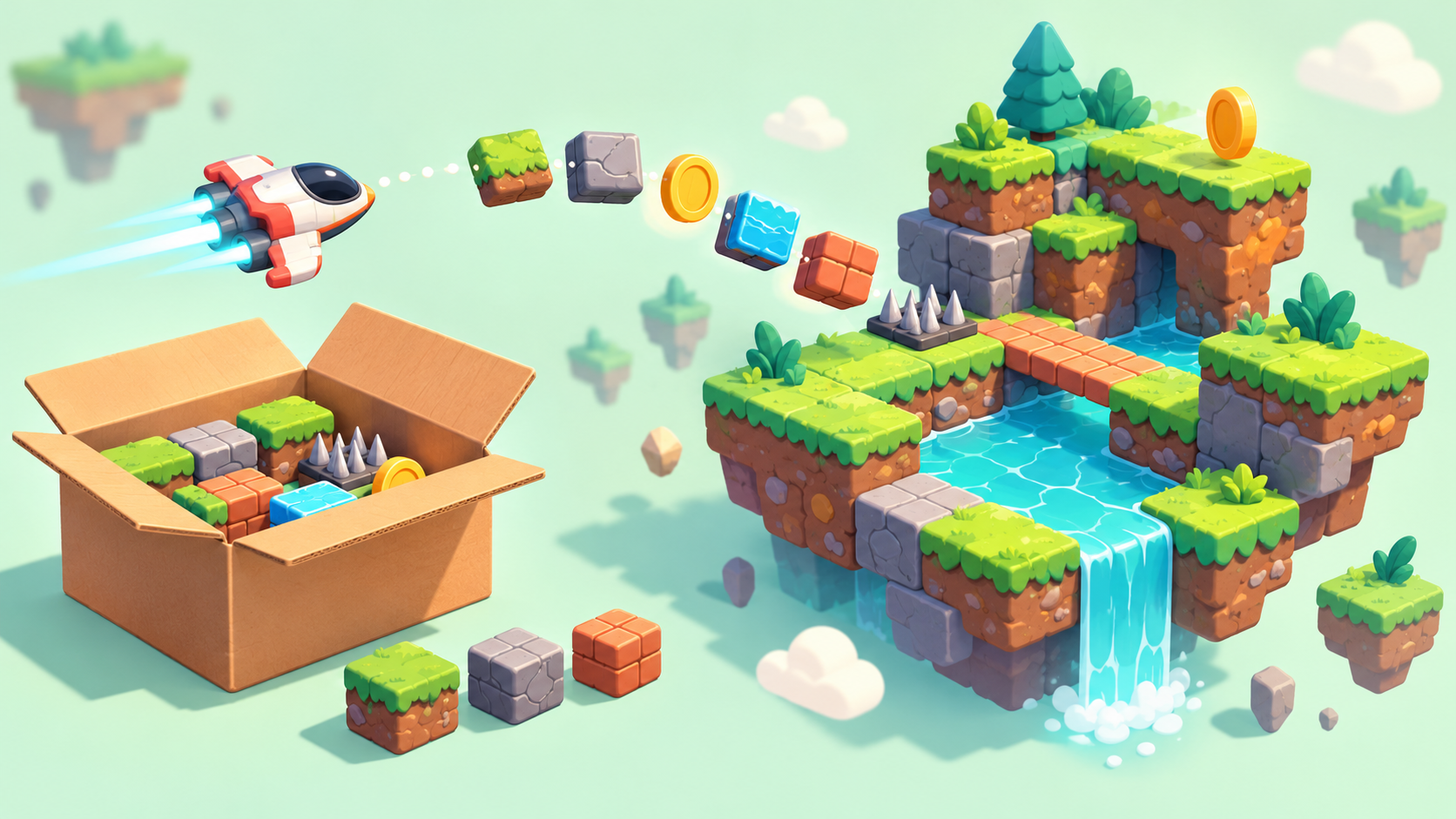
A link is an invitation to play. Reach customers, test an idea, or launch a campaign without asking every player to install an app first.
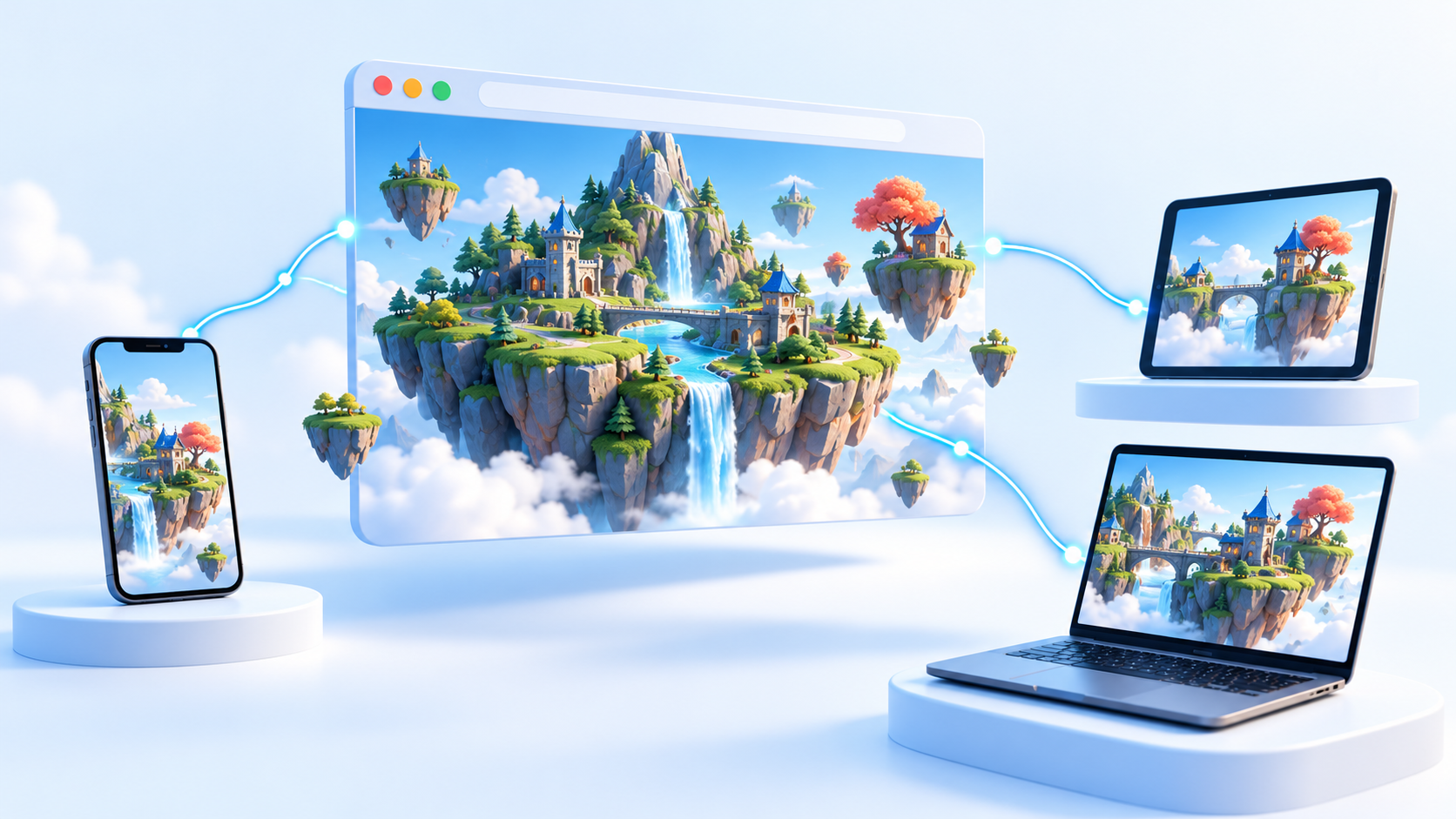
Less friction. More places to play.
Web games can live in a campaign, a product website, an event or a direct message. One delivery channel can serve multiple devices. The right scope starts with your audience, the devices they use, and the result your business needs, not a promise that every browser can run every game.
Early browser games
1990s
Plug-ins made browser games possible, but added installation and compatibility friction.
HTML5
2008
Browser-native audio, input and canvas opened a direct route from a link to a playable experience.
WebGL
2011
Hardware-accelerated graphics brought richer 2D and 3D scenes to the web.
WebGPU
2023
Modern graphics and compute APIs expand what a supported browser can render. Device coverage, asset size and testing still matter.
Start with the player, not the platform
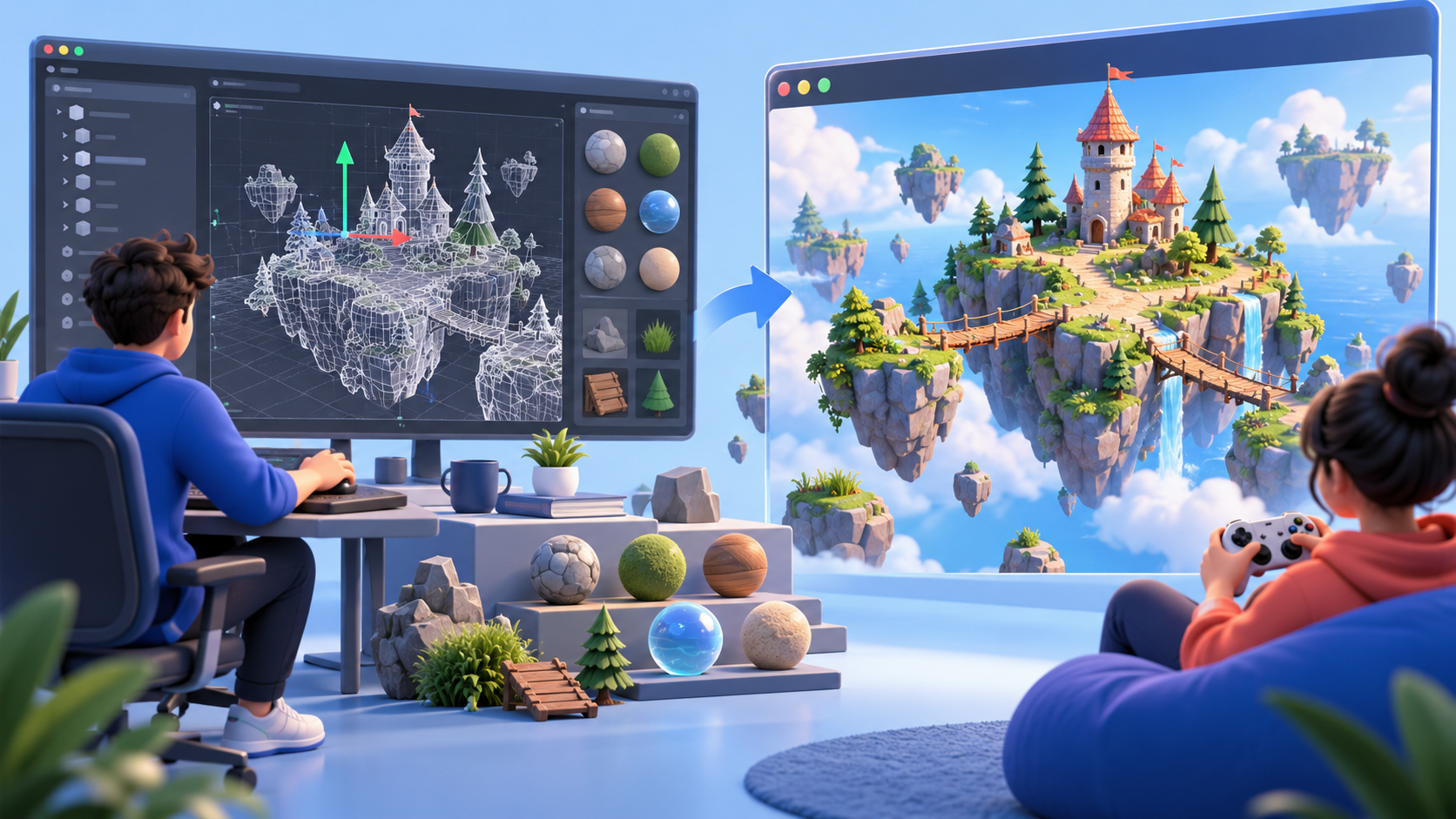
A customer following a campaign link, a visitor at an event and a returning player have different needs. We work back from that first session: where the link appears, which device opens it, what the player should understand and what makes them want to continue.
That makes scope a business decision as well as a technical one. A short branded game may need a clear interaction and a fast restart. A larger game may need progression, multiplayer or a content pipeline. The browser is the delivery channel; the experience still deserves a deliberate design.
Performance is a design decision
Our new demo selection focuses on verified WebGPU experiences. WebGPU is a strong foundation for modern graphics, but download size, memory, input, accessibility and browser support still shape a successful release. We choose the engine and device strategy around your project.
Make the first session worth sharing
A web release gives your audience a direct destination. Put the game on your own site, share it in a message or use it as the interactive part of a campaign. Players can send that same link onward without explaining an installation process first.
Before launch, test the full journey on real target devices: opening the link, downloading the first assets, learning the controls and returning for another session. A smaller first download and clear loading feedback can matter as much as the most detailed scene.
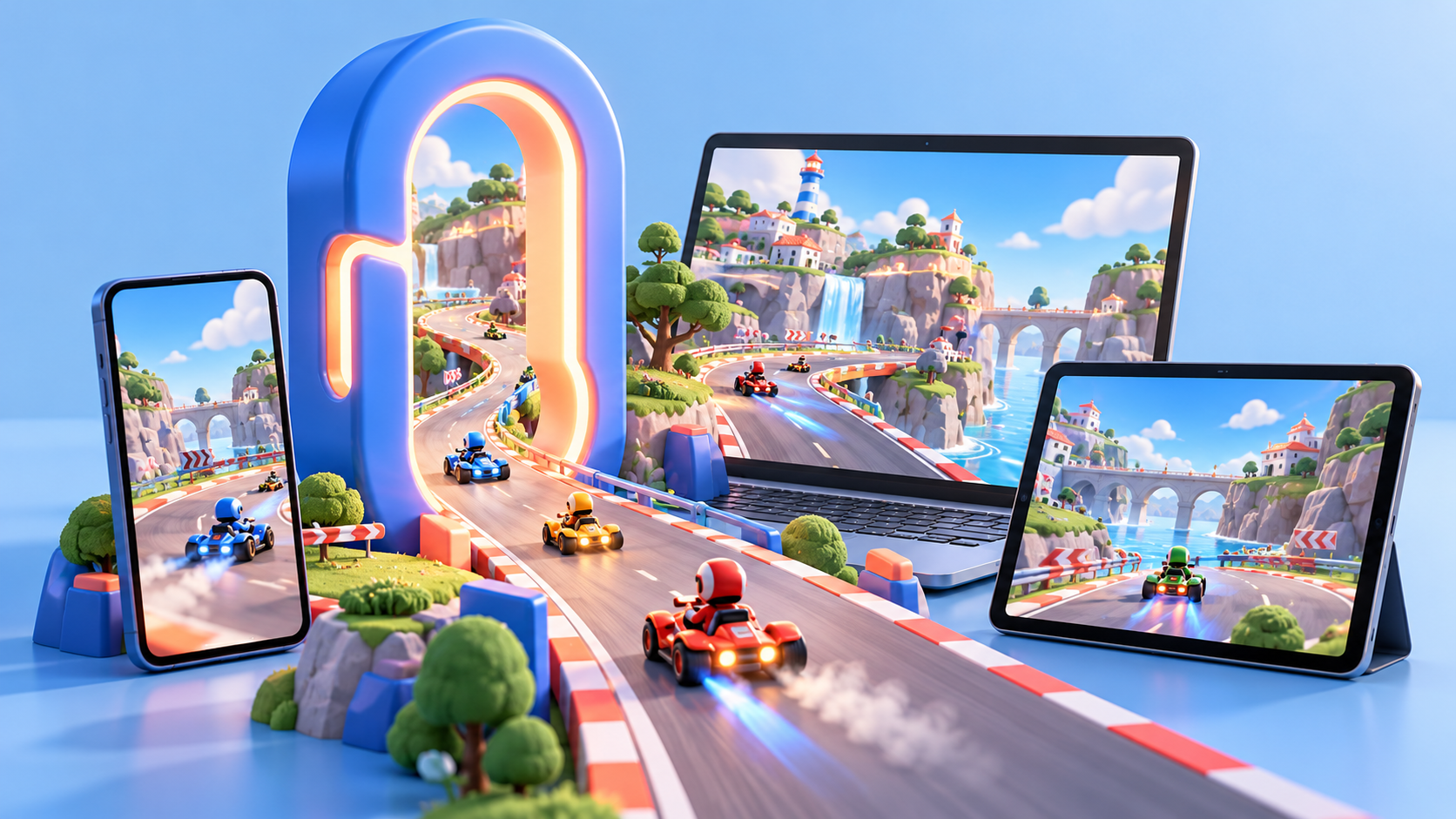
Pick the tools that fit the project

Babylon Lite
Build a focused WebGPU experience with a lightweight rendering foundation. Start with the devices your players use, then shape the scene around them.

Three.js
Create a distinctive visual experience with a flexible graphics library. A good fit when the game needs custom rendering and a carefully tailored interface.
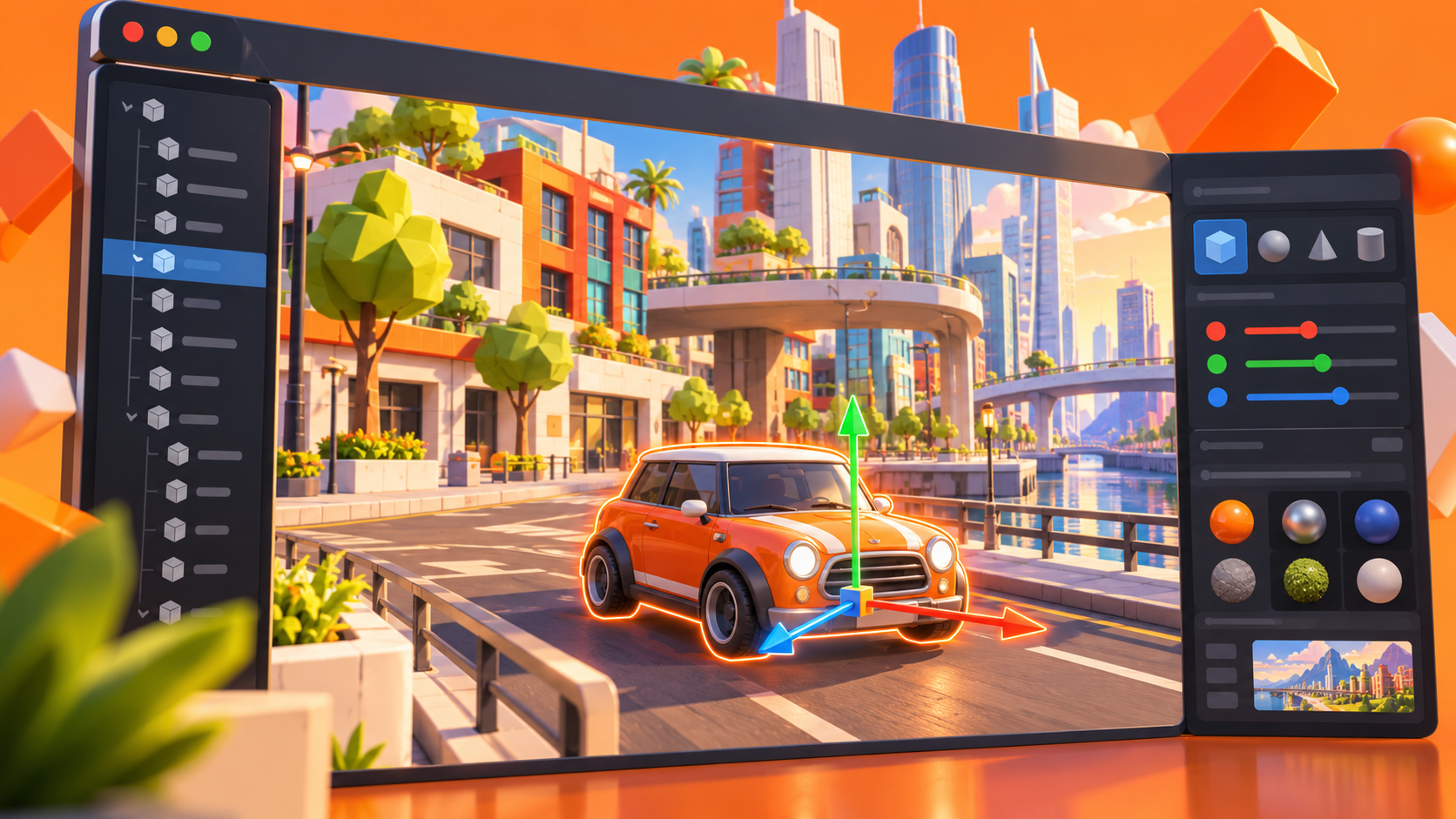
PlayCanvas
Bring a web-first production workflow to interactive 3D. A browser editor helps teams review scenes and work together on the experience.

Unity
Use an established game-production toolchain for a browser release. Build size, memory and the supported web backend belong in the plan from day one.
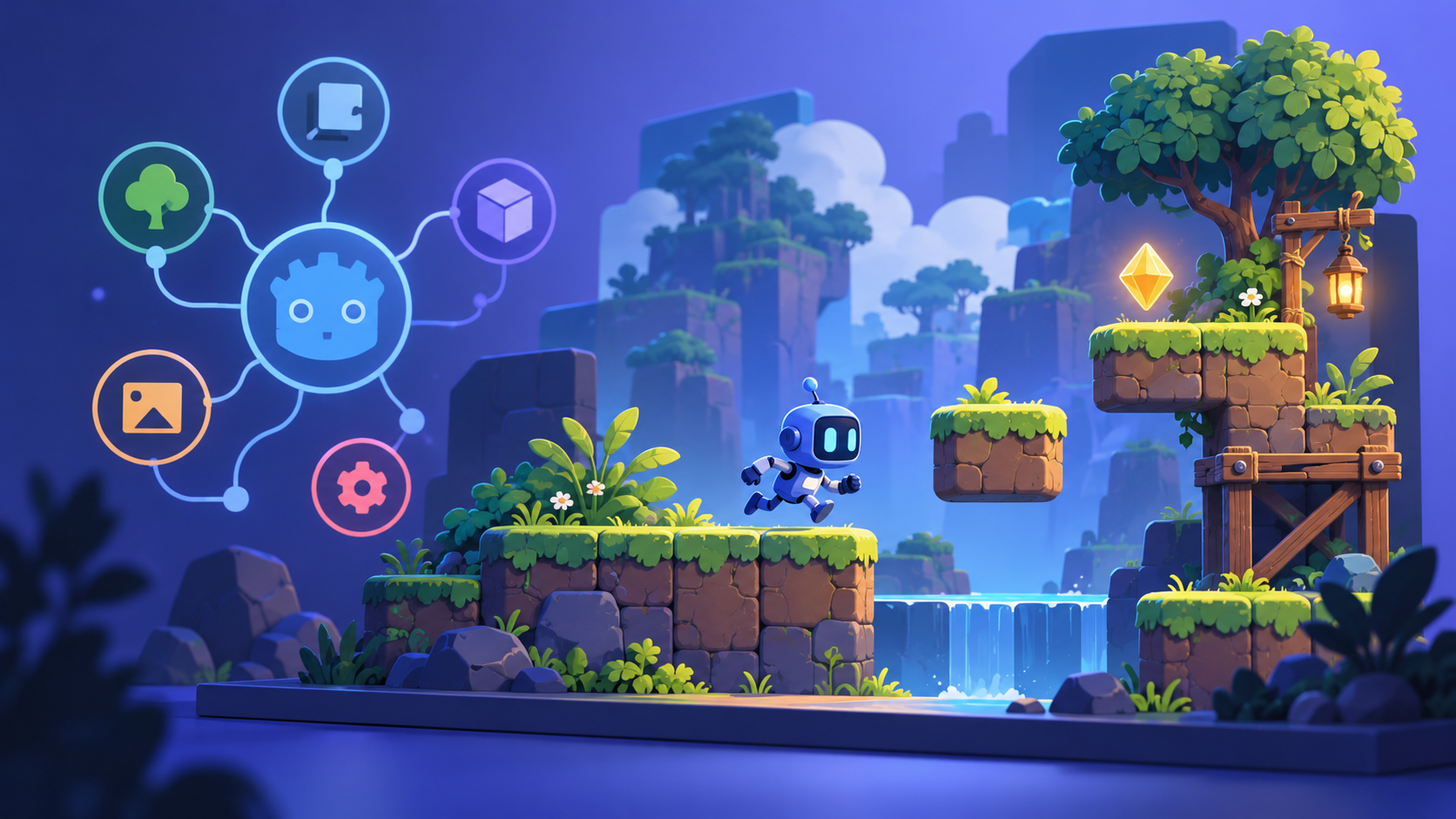
Godot
Develop with an open-source engine and a scene-based workflow. Evaluate upstream web exports separately from community WebGPU projects.